
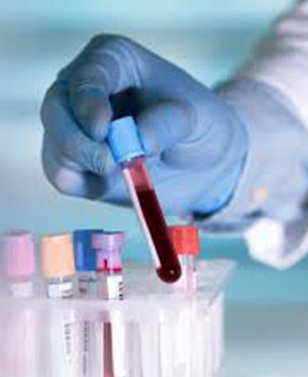

Clinical Pathology is a branch of medical science that focuses on the diagnosis and study of diseases through the analysis of bodily fluids, tissues, and cells. It plays a vital role in healthcare by providing laboratory data that informs medical decisions, treatment plans, and disease management.


A Biochemistry Laboratory is a specialized facility where biochemical tests and analyses are conducted to investigate the chemical processes within living organisms. In a clinical setting, biochemistry labs are essential for diagnosing and monitoring diseases, as well as assessing overall health.


A Microbiology Laboratory is a facility equipped to study microorganisms, such as bacteria, viruses, fungi, and parasites. It plays a critical role in diagnosing infectious diseases, monitoring antibiotic resistance, and supporting infection control measures in clinical and public health settings.
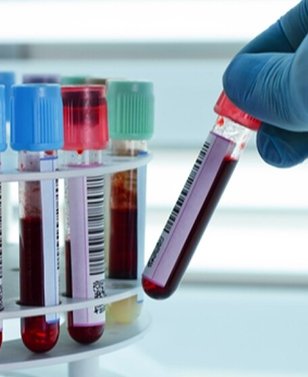
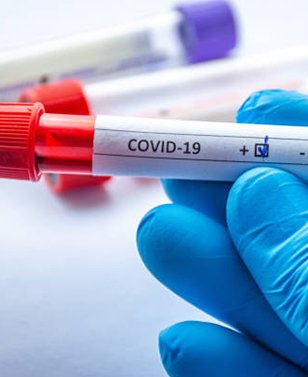
A Serology Laboratory is a specialized lab that focuses on the study of blood serum to detect antibodies or antigens. These tests help diagnose infections, autoimmune diseases, and monitor the body’s immune response to vaccines or infections. Serology plays a critical role in clinical diagnostics, public health, and disease prevention.